Mineralogy
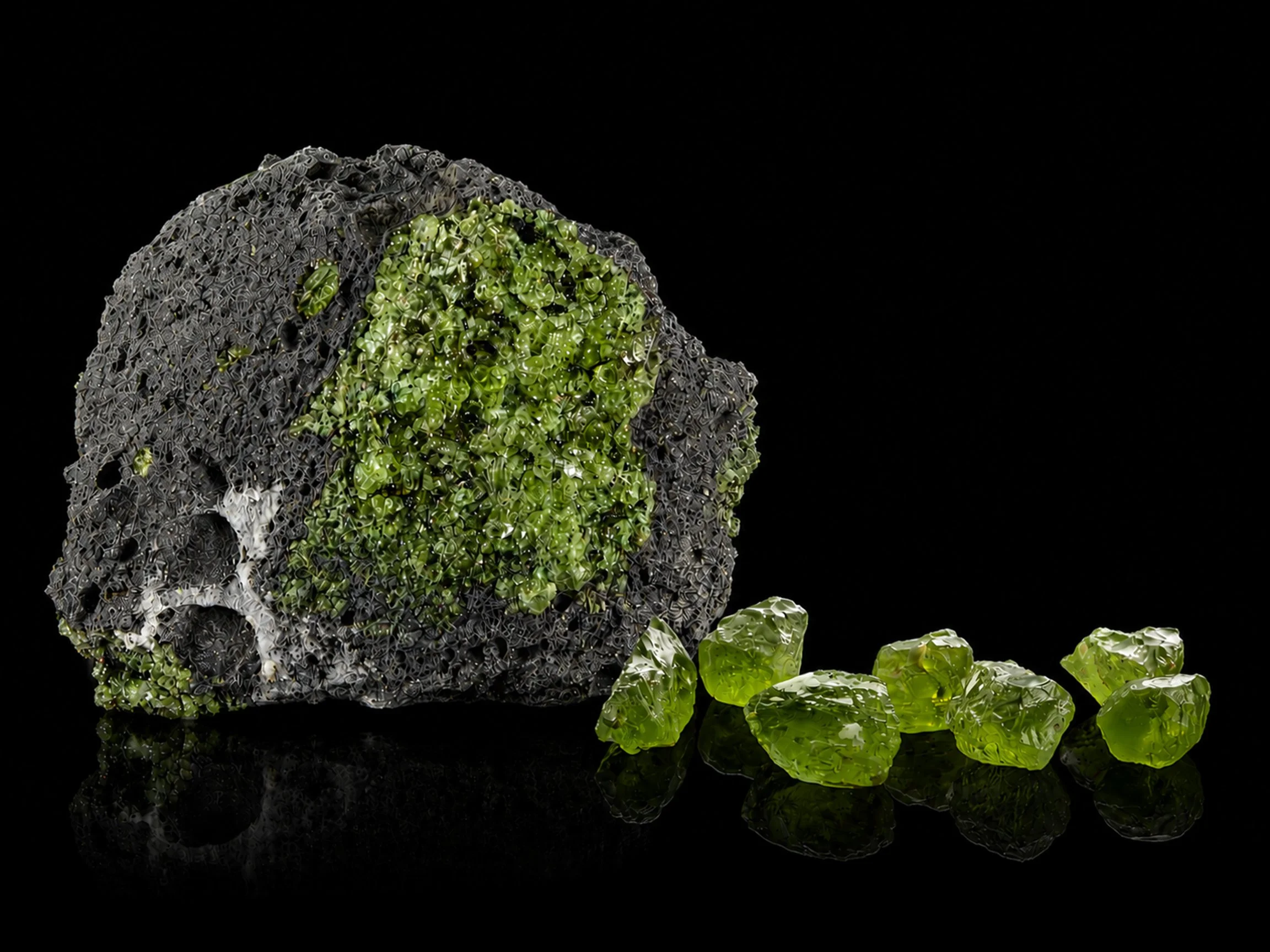
Mineralogy is a fascinating subject. The fact that these perfectly organized structures occur deep within the Earth, and then are revealed to us through the forces of Nature: wind, water, and sometimes even volcanic forces, is an incredible phenomenon.
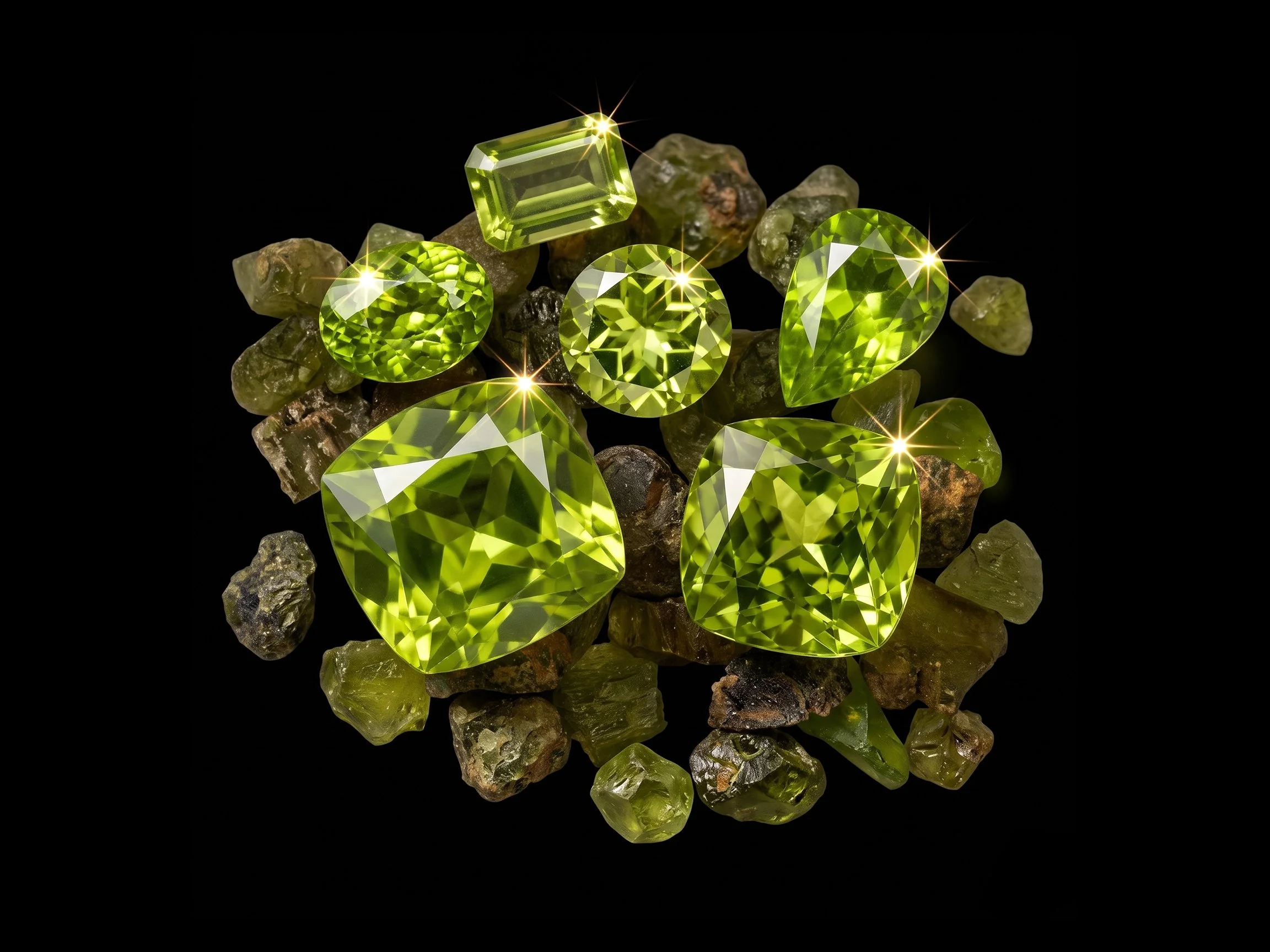
Each gemstone is an interlocking, repeatable pattern, down to the atomic level. Garnets and Diamonds exhibit a cubic structure. Sapphires and Rubies are trigonal. And Beryls are all hexagonal. Under pressure, the compositions of these minerals organize themselves into crystals.
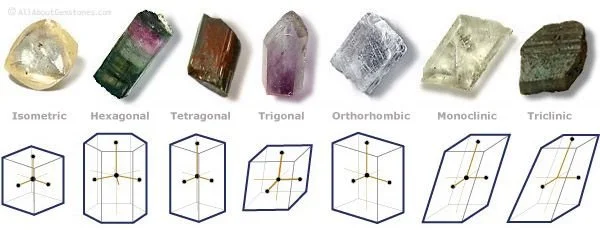
Various crystal structures.
These structures point to the elemental nature of Landscape Architecture. It is a medium that works with Gravity, with Time, and with Change itself. These are everlasting truths, and to build a garden is to work within these truths, and allow for growth, sustenance, and decay not just of plant material, but of soil, and stone, and land.
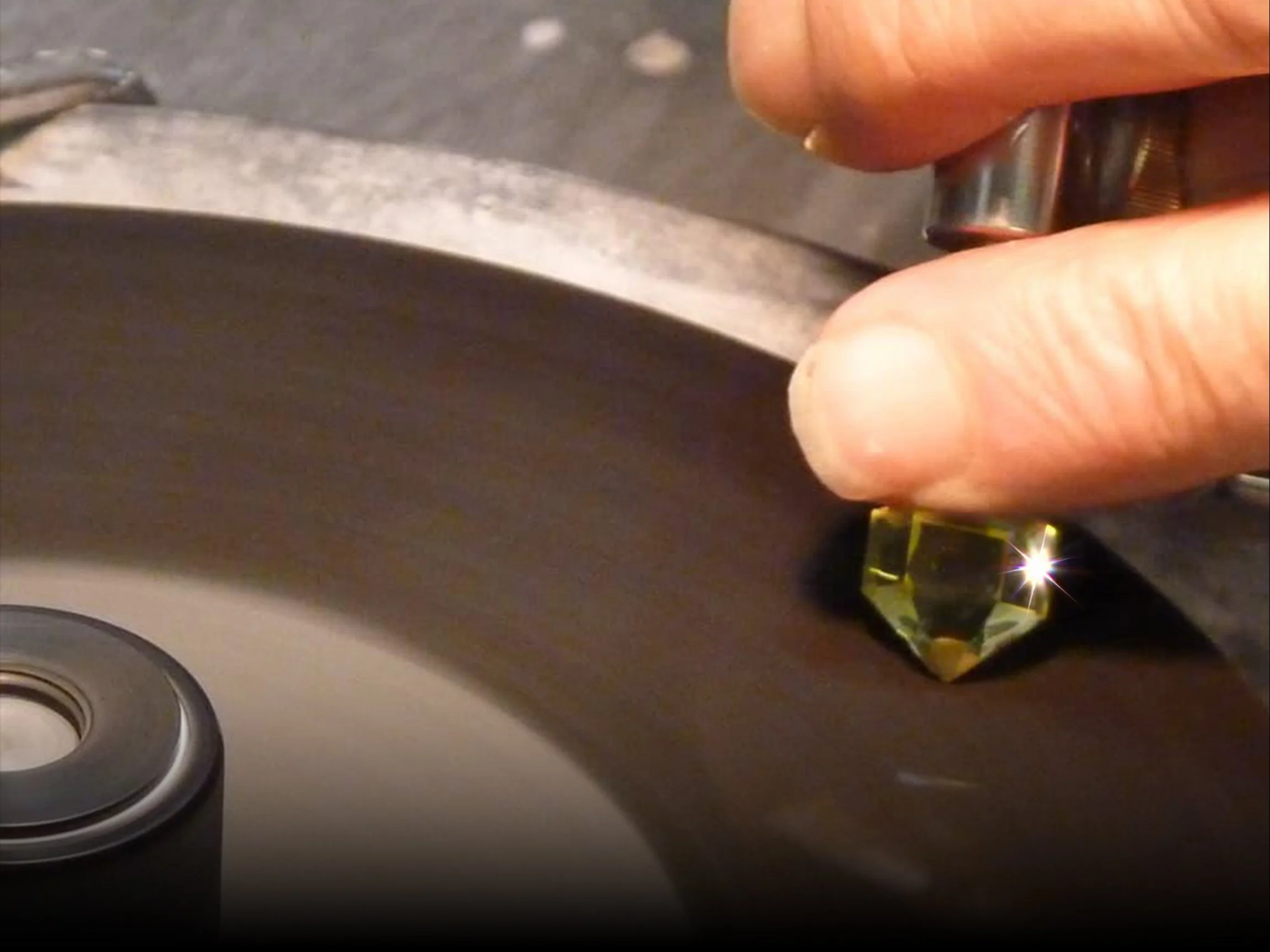
Equally of interest is our human nature to admire and covet these objects. Not only are many of these gemstones exceptionally rare, but their vivid color and clarity speaks to our human nature to seek out something beautiful. Much like a lapidary takes rough minerals and polishes them into sparkling jewels, we take rough landform and articulate it into a garden.
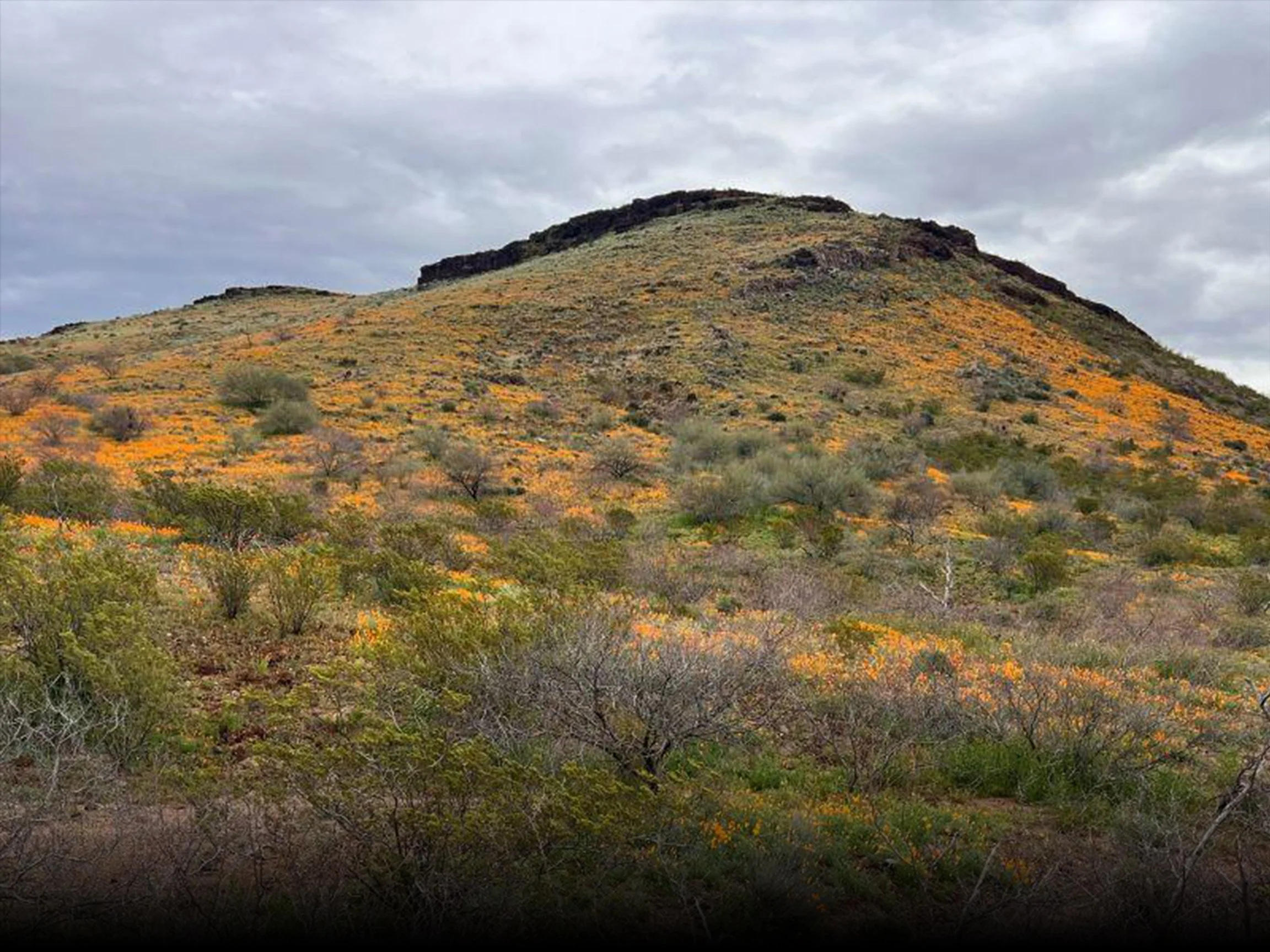
No two gemstones are identical. Many have signature inclusions that bend the light or alter the color of the gemstone. In the case of Emeralds, Demantoid Garnets, and Rutilated Quartz, these gems are prized for their specific inclusions. Similarly, no two parcels of land are identical. Each has its own particularities that manifest when we interpret the topography, observe the flow of water on and under the surface, and sketch out a record of existing conditions. These skeletons of the past become the framework for the design of the new landscape.
Long story short, I love a cool rock. Not for its mystical qualities, but because it is a marvel of Nature, an exception against all odds, and something beautiful.