Three Great Plants
Three Standouts for your South Florida Landscape:
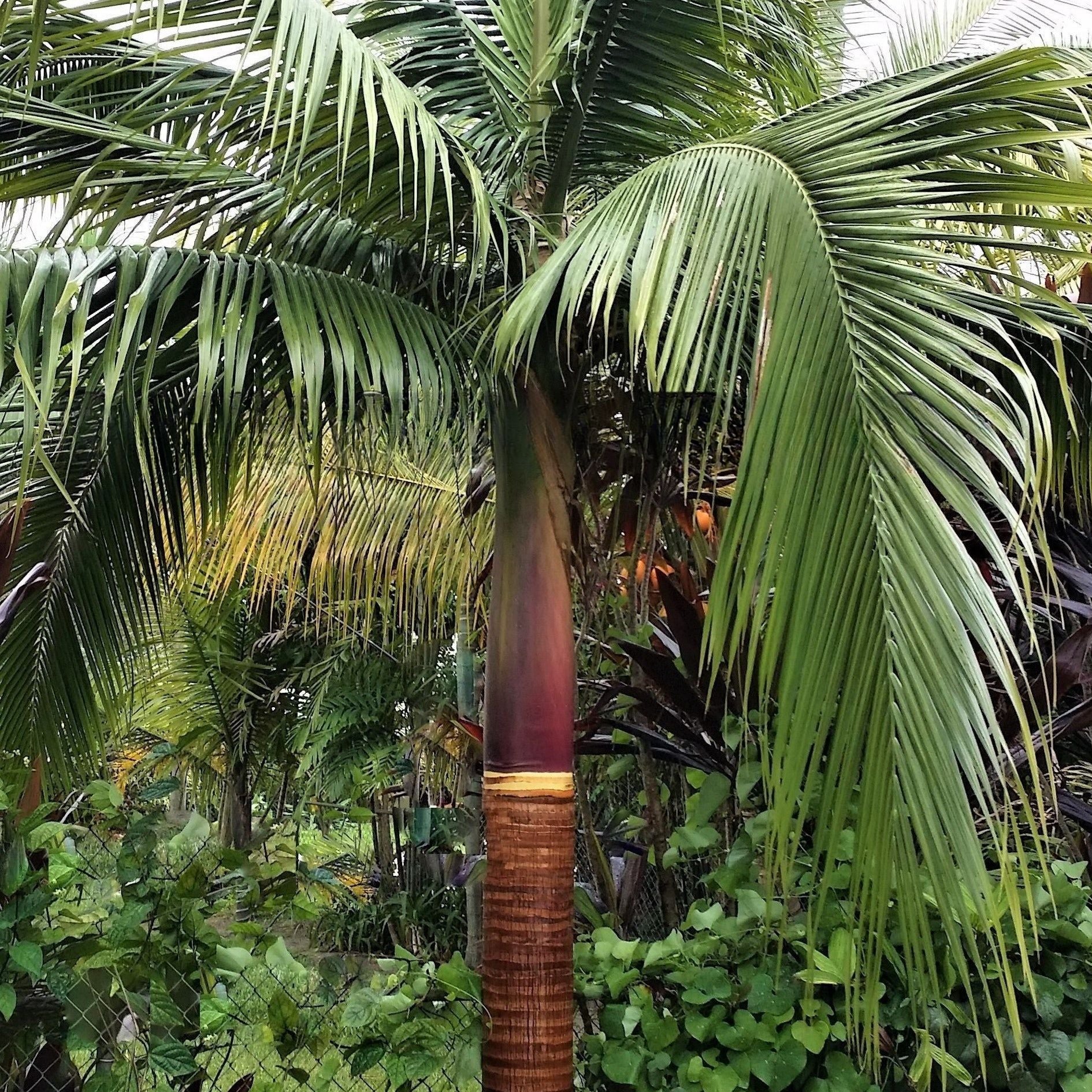
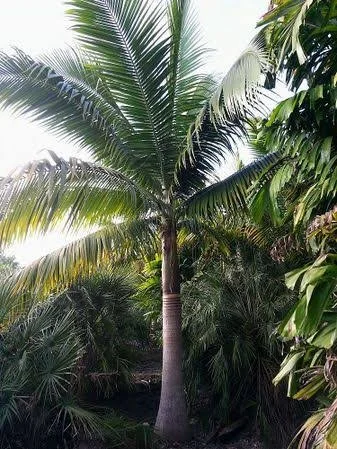
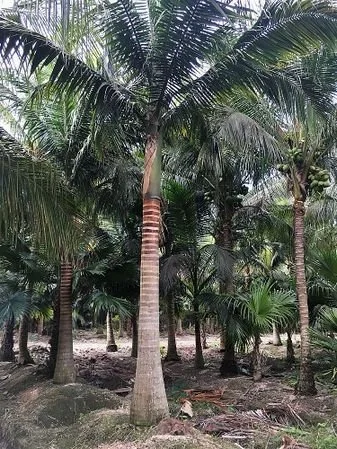
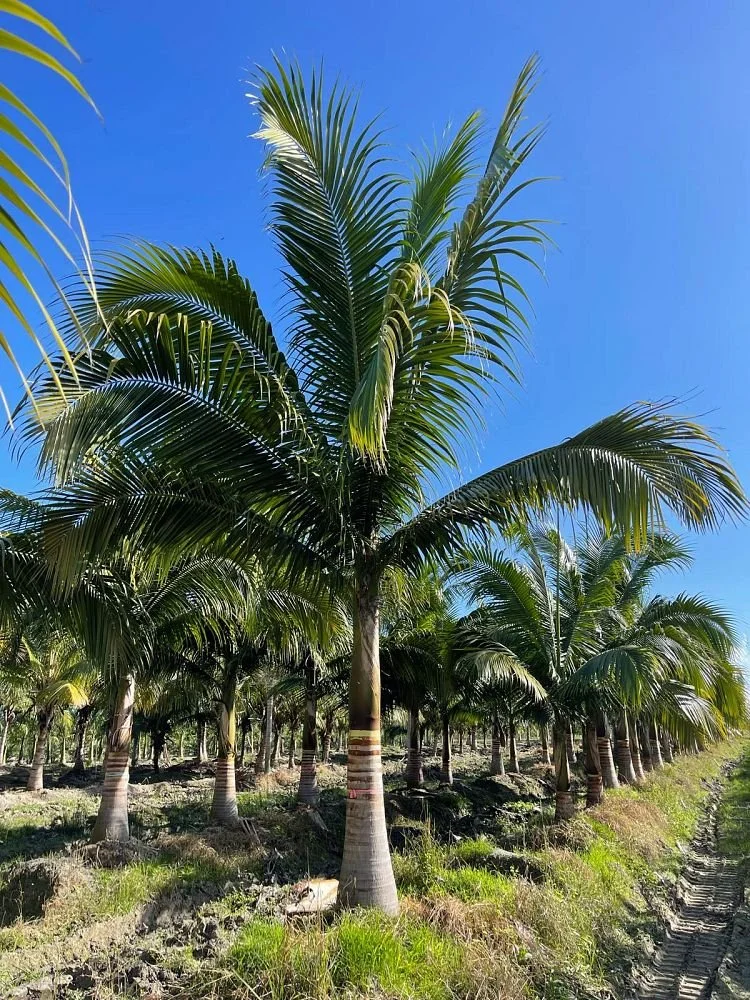
The Satakentia Palm, Satakentia liukiuensis
Looking for a low-maintenance alternative to The Coconut Palm that is equally majestic and doesn’t need to be pruned every 3 to 4 months? Look no further than the Satakentia Palm, an elegant palm tree that soars to similar heights as the Coconut, without the need to trim off the heavy fruits.
Originating from the Southern Islands of Okinawa, Japan, the Satakentia is a luxurious and stately palm that grows to over 50 feet tall. It has an architectural presence, with a trunk that grows upright and columnar, and long, glossy leaves that gracefully curve outward.
The fruits are low-profile. And the crownshaft at the top is a rich, vibrant, mahogany brown.
Consider mixing Satakentia into plantings for verticality, or planting the tree near pathways, driveways, and pools where people and cars can move around safely underneath.
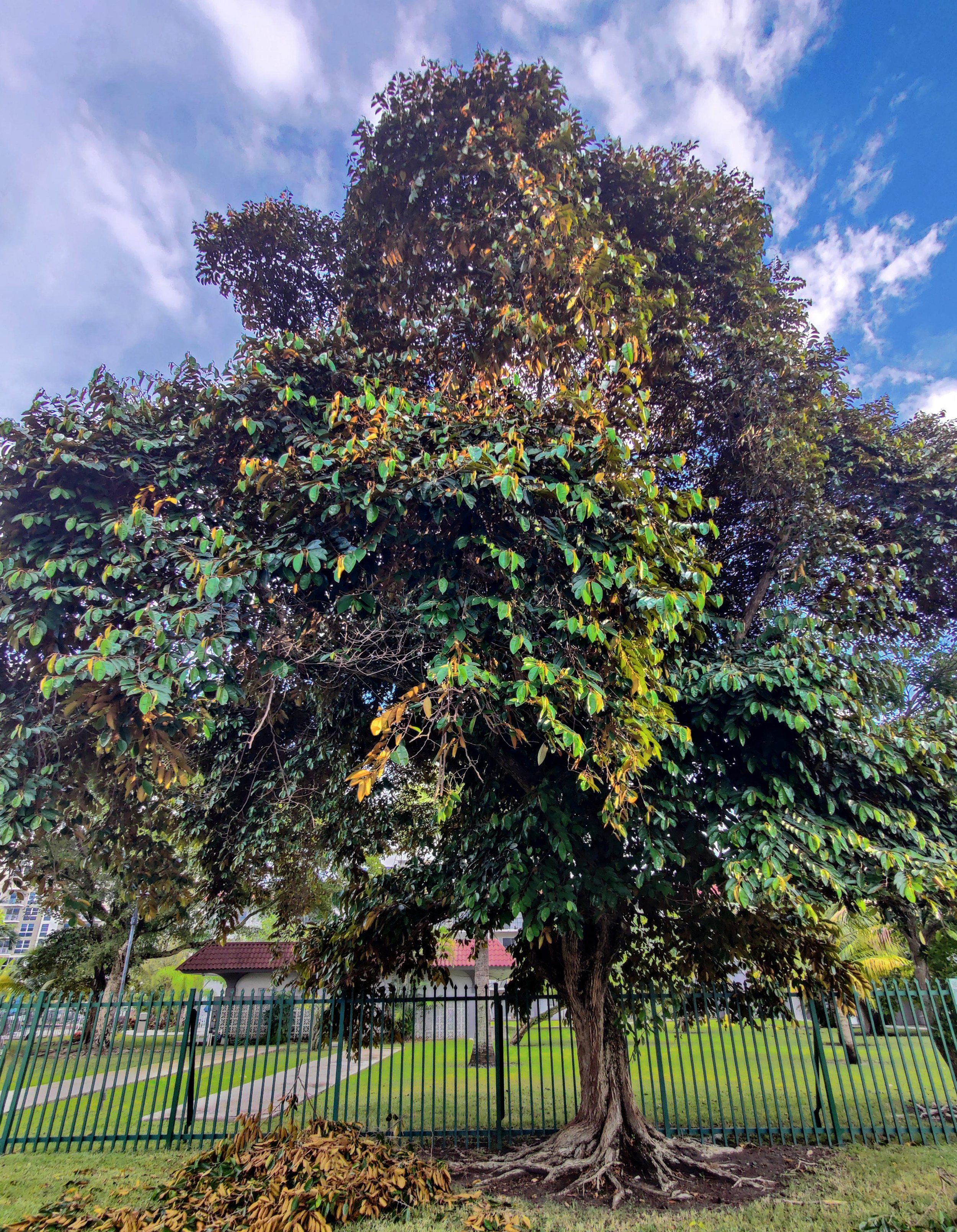
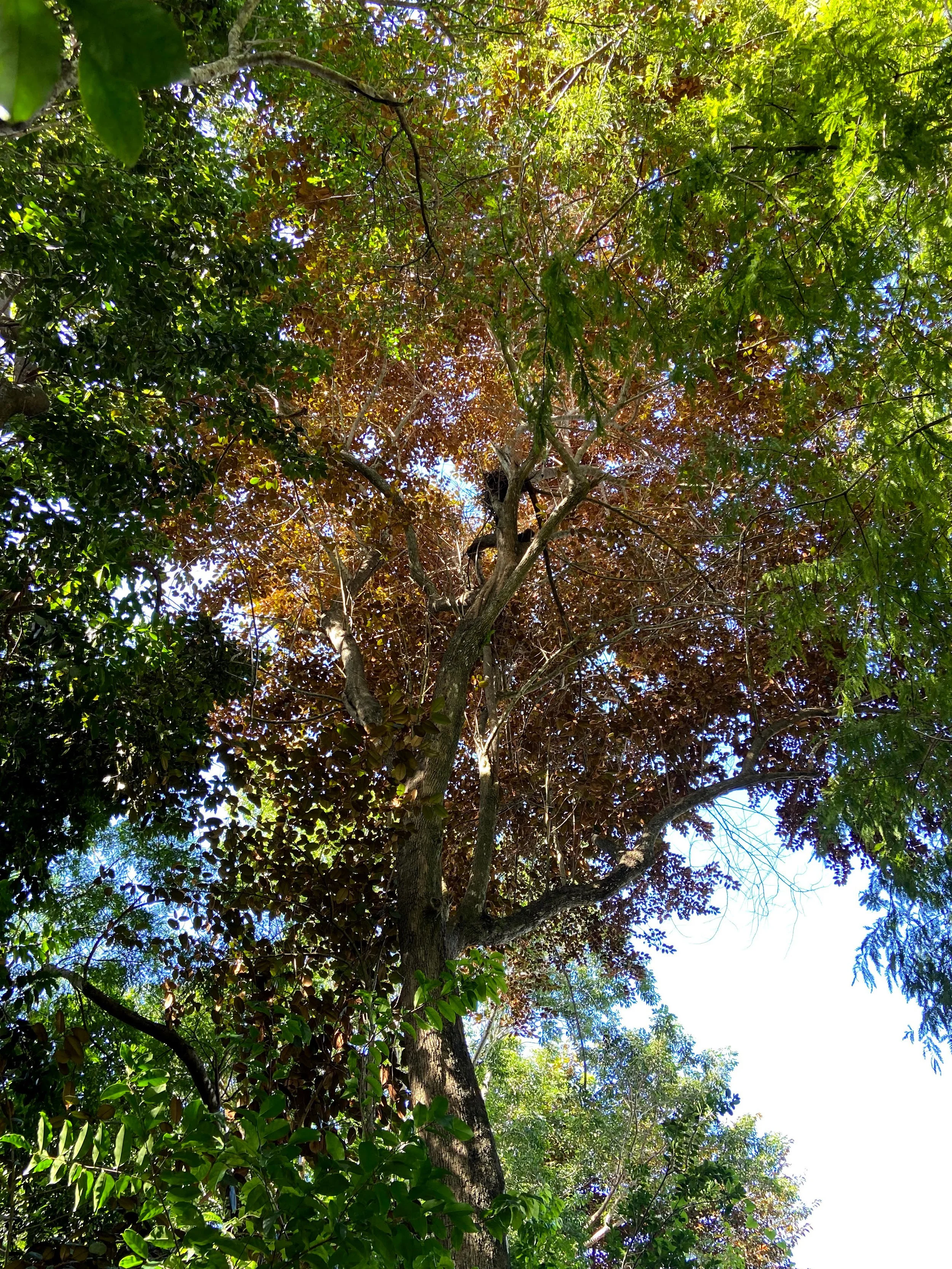
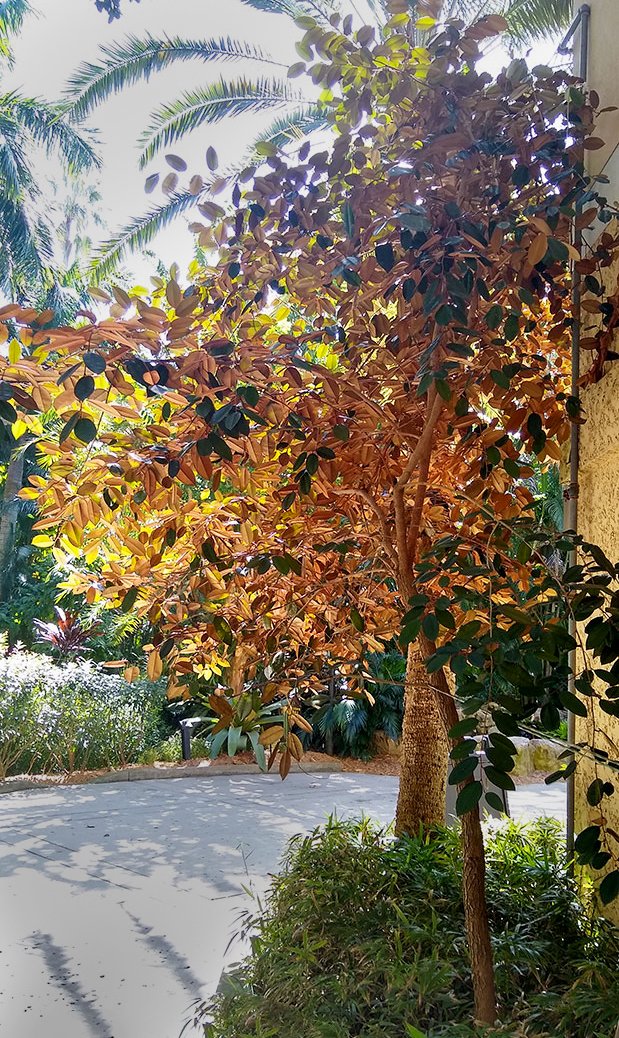
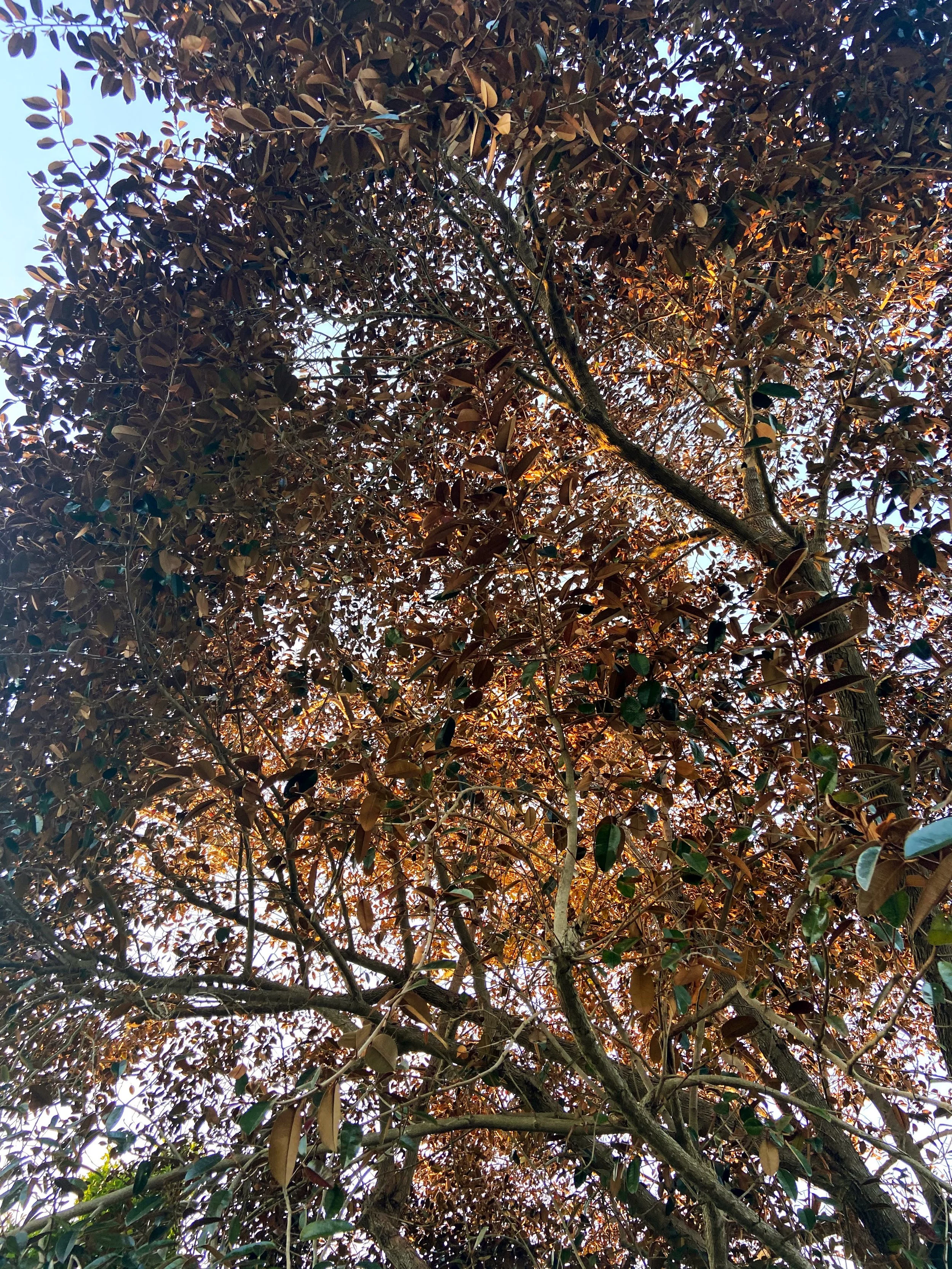
The Satinleaf Tree, Chrysophyllum oliviforme
The Satinleaf Tree is indigenous to Florida and grows to a height of about 45 feet with a canopy spread of 30 feet. It works well as a shade tree, a street tree, a privacy buffer tree, and as a specimen tree if you get a specimen with healthy branching structure.
The real feature of this plant is the copper tone on the underside of the leaves. Standing underneath the canopy of a Satinleaf Tree, with a light breeze and the sunlight shining through just right, creates a radiant atmosphere of shimmering green and gold. In fact, the name in Latin means olive-shaped golden leaf.
The fruits of this tree are minimal. But if you are looking for something edible, consider its cousin, Chrysophyllum caimito, the Caimito Tree. The Caimito is a slightly smaller tree with round, 2-inch fruits that are purple and taste like a pear-melon custard.
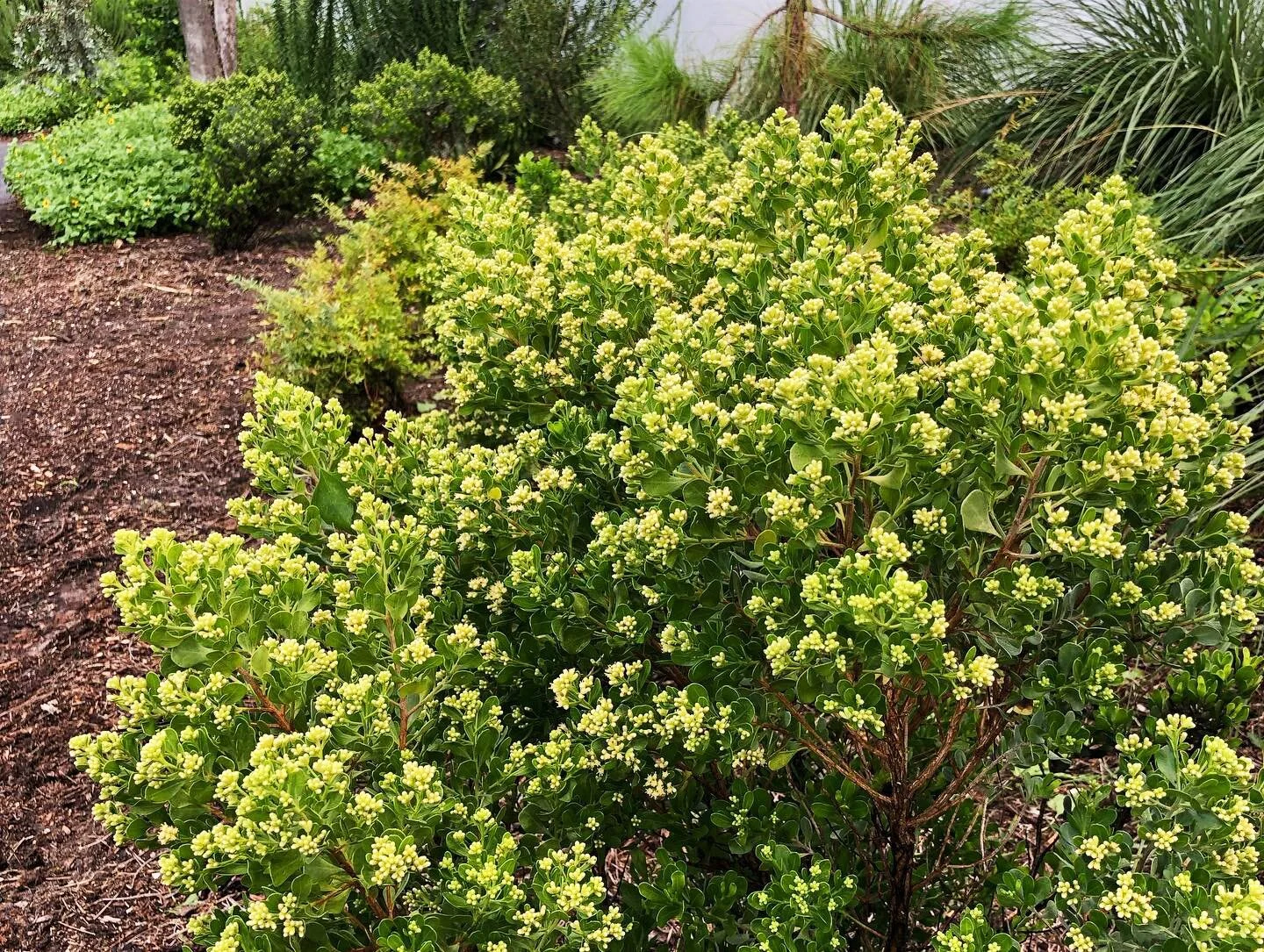
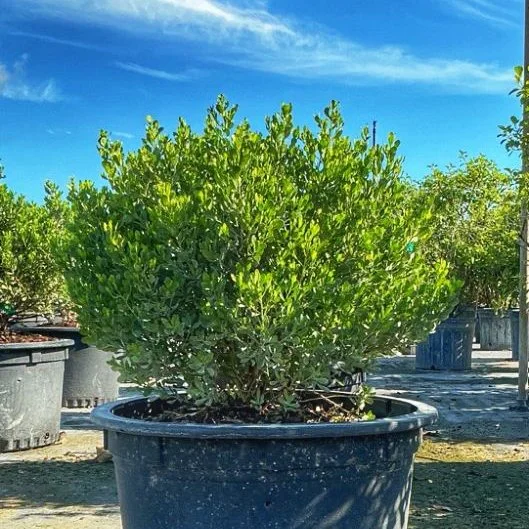
Saltbush, Baccharis dioica
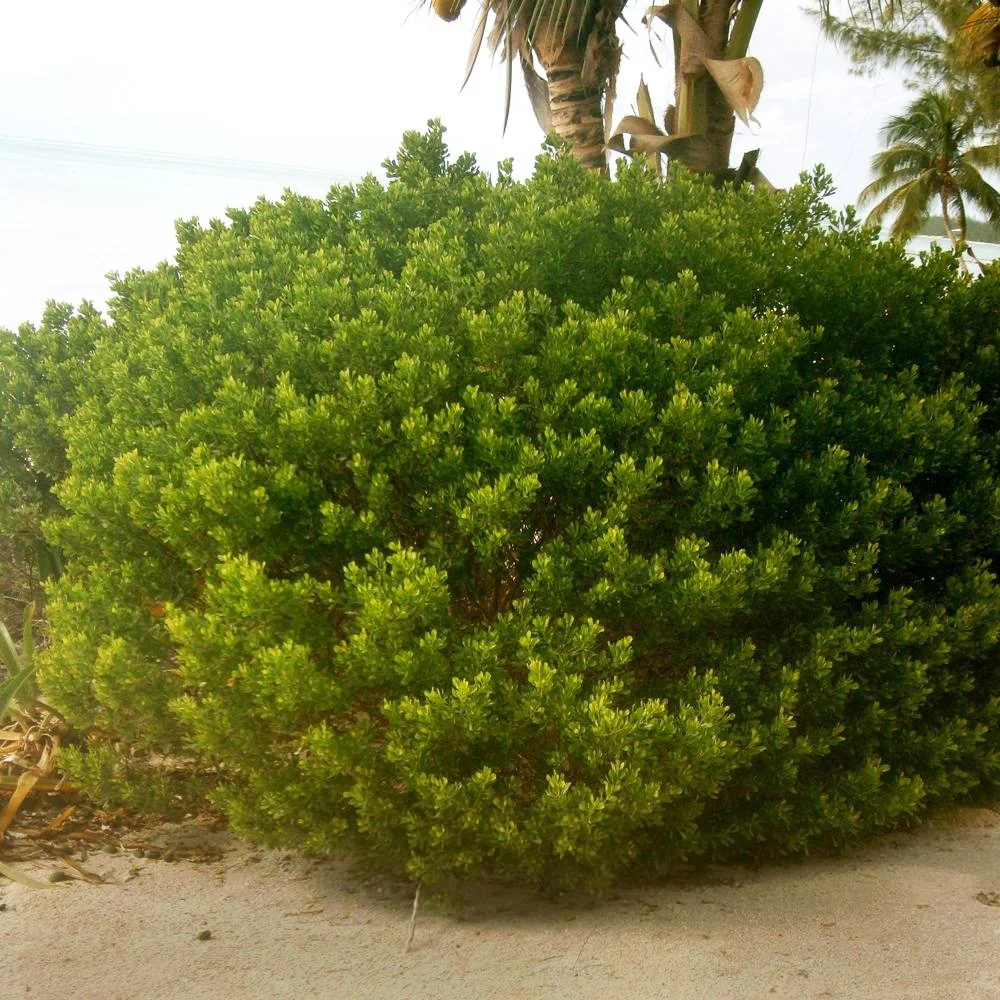
And finally, another great consideration for your landscape, especially if you are on the coast, is the Saltbush. Originating from the coastal hammocks of South Florida and the Caribbean, Saltbush has been brought into cultivation for its ornamental value and remarkable durability against salt spray.
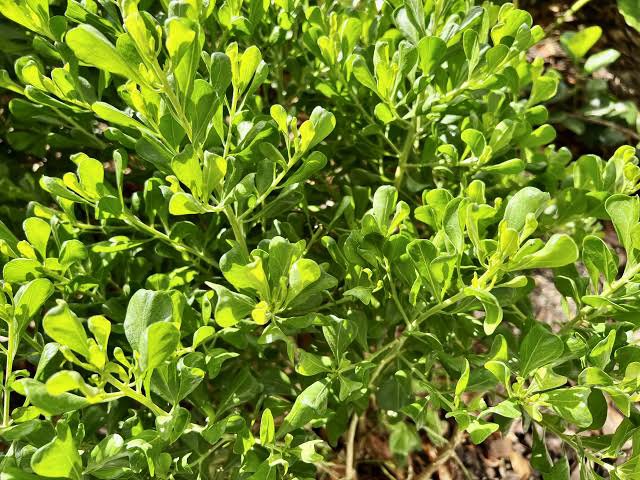
Saltbush features small oval leaves with a compact growth habit, allowing it to be pruned and maintained into a rounded form of about 3 to 5 feet. Saltbush can also be clipped into a hedge or left to grow as a soft, natural, and informal shrub.
The plant prefers full sun, and is tolerant of salt spray and occasional drought. Plant Saltbush en masse or alongside other salt-tolerant plants to form a coastal buffer.
Looking for high-quality plant material for your landscape in Miami or South Florida?
Dimension Design Landscape Architecture works with a network of specialty growers to source exceptional plants for our Clients. Contact us at bryce@dimension.land to make a plan for your outdoor living space.
